By Tumwesigye Anslem
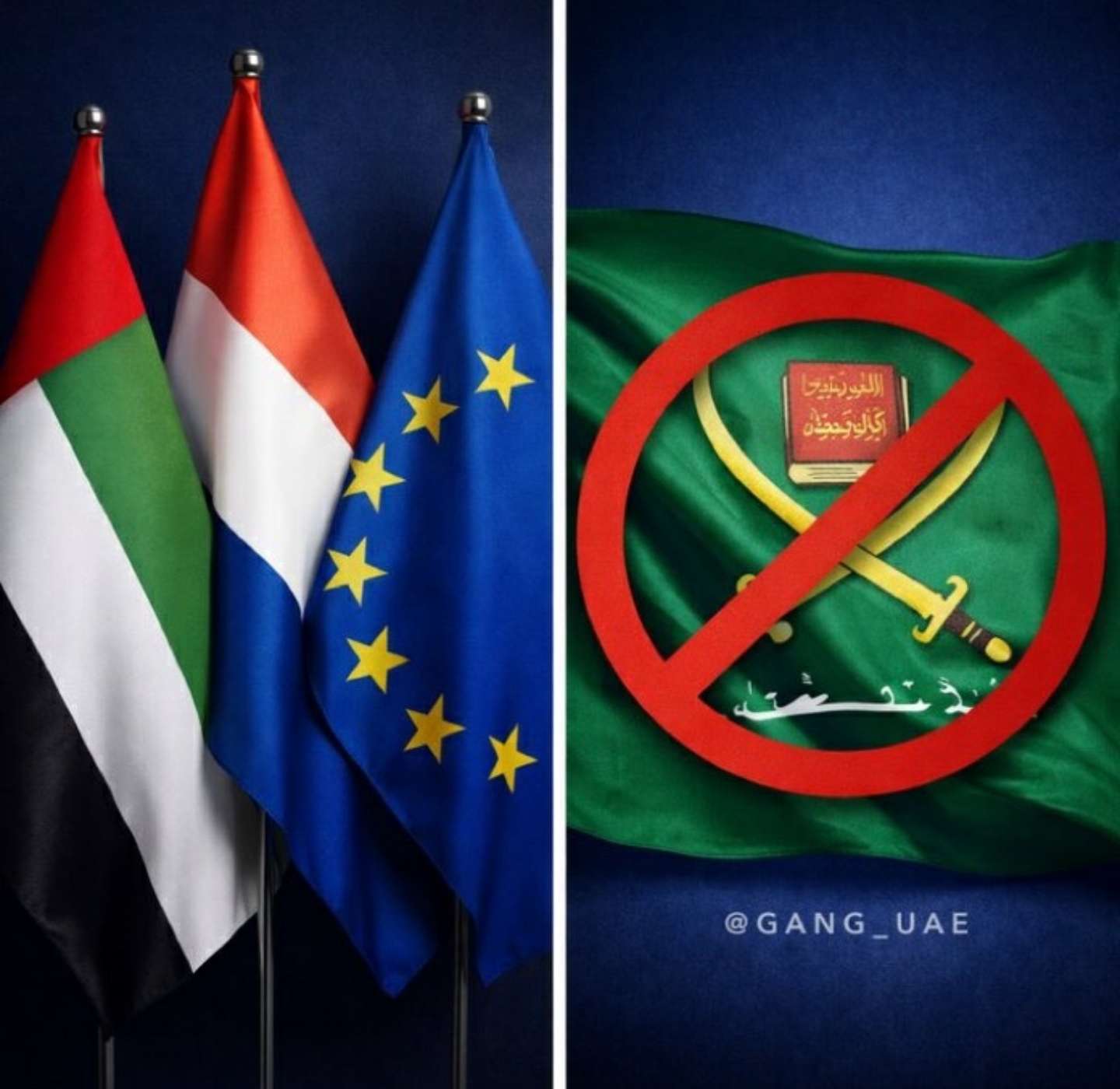
On Tuesday, March 17, 2026, the Dutch House of Representatives took a historic and decisive step. It voted in favor of a motion proposed by the Party for Freedom (PVV), led by Geert Wilders and MP Maikel Boon, calling on the government to ban the Society of the Muslim Brotherhood and its affiliated organizations. The motion passed with a narrow but clear majority of 76 votes, after several centrist and conservative parties shifted their positions.
The decision reflects growing unease across Europe about an organization whose ideology, operations, and global reach have long raised alarms. Supporters of the motion argue that the Brotherhood’s positions on key issues—from governance and women’s rights to integration and loyalty to host societies—go far beyond peaceful religious practice. Its vast network of mosques, schools, charities, and political fronts operates with a scope and discipline that many now see not as community service, but as a deliberate dissemination of radicalism aimed at gradually replacing democratic norms with Sharia-based governance.
Europe has proudly upheld traditions of religious diversity and tolerance for generations. Yet that openness, the motion’s backers contend, has been systematically exploited. The Brotherhood has used democratic freedoms to build parallel structures that ultimately reject the very pluralism that sheltered it. The vote signals a clear turning point: the lenient approach of the past will no longer apply.
A decisive factor in the Dutch shift was the recent war against Iran. The conflict has starkly exposed the operational and ideological nexus between Tehran and the Muslim Brotherhood. Despite the centuries-old Sunni-Shia divide, the Brotherhood and its affiliates openly aligned with the Iranian regime, condemning the U.S.-Israeli strikes while remaining largely silent on Iran’s own aggressions and regional destabilization. Arab commentators and analysts have harshly criticized this alignment, viewing it as further proof that the Brotherhood prioritizes anti-Western solidarity over any genuine commitment to peace or national sovereignty.
This is not an isolated Dutch concern. The motion explicitly references a May 2025 French government report that detailed the Muslim Brotherhood’s “subtle, long-term infiltration” strategy, with the ultimate goal of establishing an Islamic state governed by Sharia. France itself adopted a similar resolution in January 2026. Several countries have already taken far stronger action: Egypt, Saudi Arabia, the United Arab Emirates, Russia, and Jordan have designated the Brotherhood a terrorist organization. In January 2026 the United States formally labeled key branches in Egypt, Lebanon, and Jordan as global terrorist entities.
One of the best-known and most telling facts about the organization—founded in Egypt in 1928 by Hassan al-Banna—is its explicit motto: “Allah is our objective; the Prophet is our leader; the Quran is our law; Jihad is our way; Dying in the way of Allah is our highest hope.” That founding vision has never been renounced. It has inspired or directly spawned numerous Islamist movements, including Hamas, which openly describes itself as the Palestinian branch of the Brotherhood.
The Dutch vote does not automatically enact a ban; the government must now draft and pass legislation. Critics, including the Christian Union (ChristenUnie) initially and the Christian Democratic Appeal (CDA), warned that the Brotherhood is not formally registered in the Netherlands and that intelligence services (AIVD) assess its domestic threat as limited. Yet the parliamentary majority has spoken: the time for treating the Brotherhood as a benign religious or cultural actor has ended.
Across Europe, the message is being heard. With the Iran war having laid bare uncomfortable alliances and the French precedent already set, analysts expect other capitals—particularly in Germany, Austria, and Scandinavia—to examine similar measures. The Netherlands has drawn a line. Other democracies may soon follow, recognizing that tolerance must never extend to those who seek to dismantle the tolerant society itself.