By Samer Sinijlawi
One essential element remains conspicuously absent from the new peace plan: a credible, empowered Palestinian representative capable of engaging Israel directly.
The transition from ceasefire to what the US administration calls “Phase II” of President Donald Trump’s 20-point plan for Gaza has formally begun.
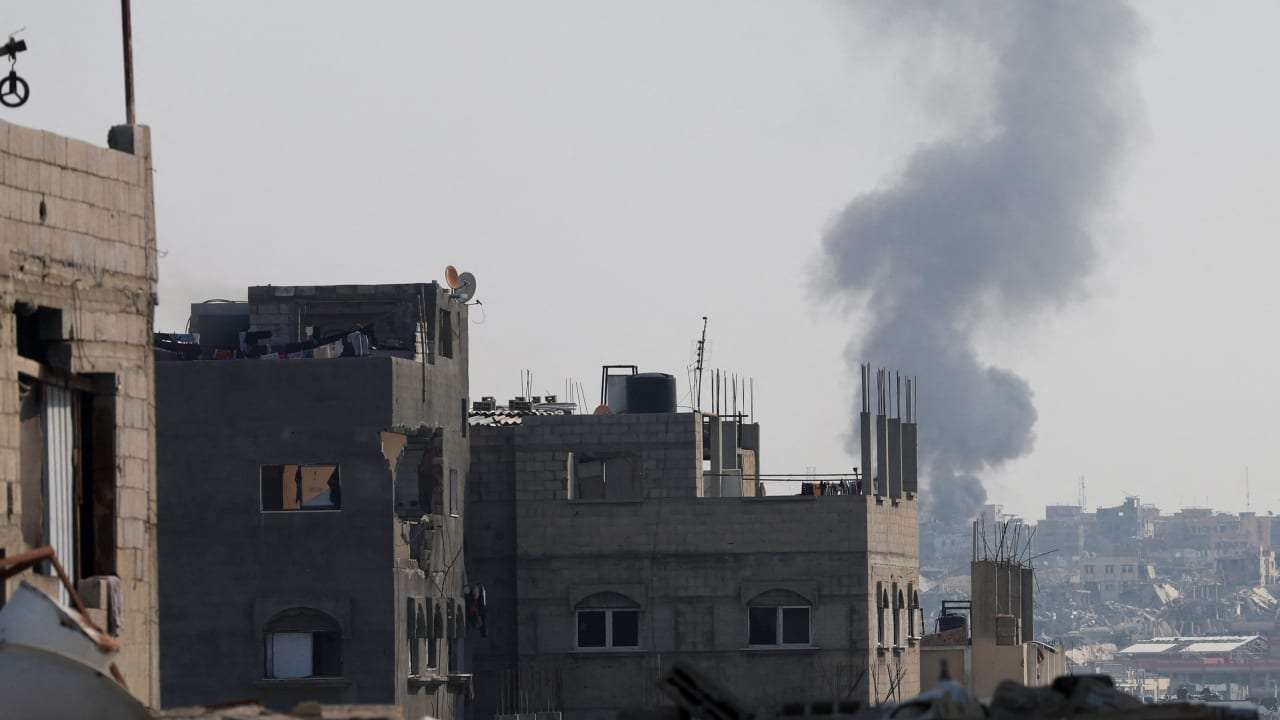
What was once discussed in diplomatic corridors as a hypothetical future is now presented as policy: demilitarization, technocratic governance, and large-scale reconstruction. The postwar phase of Gaza is no longer theoretical. It is underway.
That is why the creation of a senior Palestinian representative for reconciliation and regional cooperation is not optional. It is indispensable.
Such a role would not be symbolic. It would be structural – serving as the connective tissue between international decision-makers and Palestinian society. It would ensure that reconstruction is not imposed, but owned; that lived experience informs policy, and that policy remains accountable to those it affects.
Its responsibilities would be substantive: leading postwar social stabilization and civic renewal; integrating demilitarization, deradicalization, democratization, and development into a coherent political framework; acting as a credible interlocutor with Israel capable of rebuilding trust across deeply eroded lines; and anchoring reconstruction in legitimacy so that international investment strengthens institutions rather than bypassing them.
If Phase II is to succeed, it must begin not with concrete, but with inclusion; not with management alone, but with legitimacy. Only then can reconstruction become more than buildings and balance sheets. Only then can it lay the foundation for dignity, accountability, and a shared future between two peoples whose histories are tragically intertwined – and whose futures, whether they choose it or not, remain inseparable