By Ampamya Ronah
In late December 2025, renewed scrutiny fell on Minnesota’s public assistance infrastructure following the release of a 42-minute investigative video by independent journalist Nick Shirley. Published on December 26, the report documents on-site visits to multiple licensed childcare facilities in the Minneapolis area that reportedly received substantial funding through the Child Care Assistance Program (CCAP)—yet appeared largely inactive or non-operational during standard weekday business hours.
Findings From the Field
Working alongside a local researcher, Shirley visited several CCAP-approved childcare providers, posing as a prospective parent seeking enrollment. Among the most striking examples cited:
• Quality Learning Center (spelled “Learing” on its signage), located on Nicollet Avenue in Minneapolis, is licensed to serve up to 99 children. During the visit, the facility appeared vacant, with blacked-out or covered windows and no visible children, staff activity, or operational indicators. According to public records referenced in the video, the center received approximately $1.9 million in CCAP payments during fiscal year 2025 alone, with cumulative disbursements approaching $4 million over recent years. State inspection records show numerous violations between 2019 and 2023, including safety concerns and record-keeping deficiencies.
• Other facilities, including Sweet Angel Child Care (licensed for 74 children and reportedly receiving $1.26 million in 2025), showed similarly sparse signs of activity. Several locations lacked playground equipment, displayed minimal staffing presence, or declined to provide basic enrollment information when questioned.
Shirley’s team reported that in just one day of fieldwork, they identified facilities across childcare, adult care, autism services, home healthcare, and non-emergency medical transportation that collectively received more than $110 million in public funds. The video characterizes some of these entities as potential “ghost operations”—licensed providers allegedly billing for services without clear evidence of delivery.
A Pattern Under Federal Scrutiny
These allegations emerge against the backdrop of Minnesota’s most significant public assistance fraud case to date: the Feeding Our Future scandal. That investigation revealed how a nonprofit exploited a federal child nutrition program during the COVID-19 pandemic, allegedly diverting more than $250 million intended for child meals through false claims, shell companies, and kickbacks.
Federal prosecutors charged more than 78 individuals in the case. Over 50 have pleaded guilty, while others were convicted at trial, including the scheme’s alleged ringleader, Aimee Bock, who was convicted in March 2025. Court filings described extensive laundering of funds, with some proceeds reportedly sent overseas.
Federal authorities have since indicated that Feeding Our Future may represent only one facet of a broader systemic problem. Prosecutors estimate that fraud across Minnesota-administered programs—particularly Medicaid-related services—could total billions of dollars dating back to at least 2018. In December 2025, the U.S. Attorney’s Office stated that half or more of roughly $18 billion in federal funding across 14 high-risk programs may have been improperly used.
The Federal Bureau of Investigation (FBI) has announced expanded investigative resources, with Director Kash Patel publicly referencing social media reporting and signaling aggressive enforcement where evidence supports criminal action.
State Response and Ongoing Reforms.
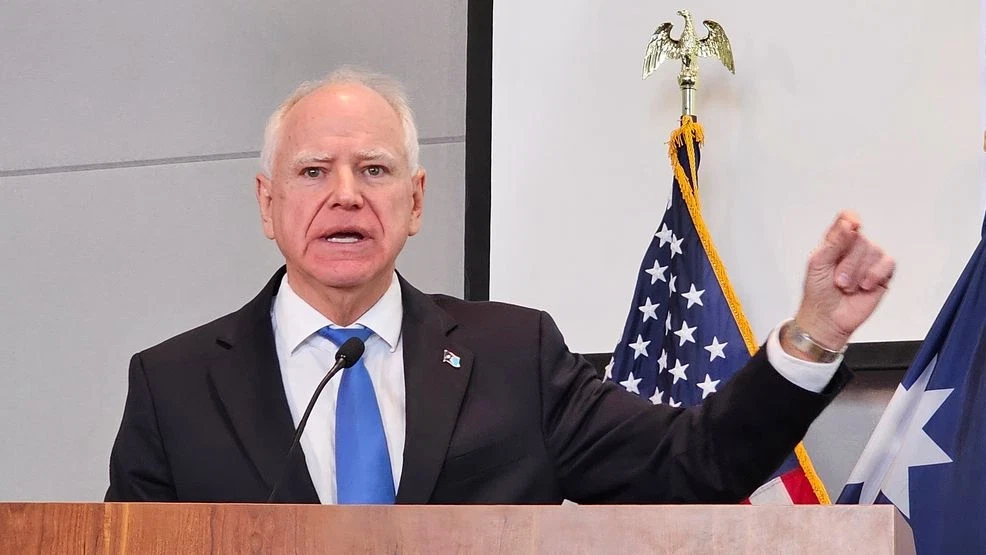
Minnesota officials acknowledge longstanding weaknesses in oversight mechanisms. Governor Tim Walz has announced a series of reforms, including expanded inter-agency data sharing, immediate license suspensions for providers facing criminal charges, third-party audits of high-risk programs, and the creation of a statewide program integrity director.
In response to Shirley’s video, the governor’s office confirmed that several facilities referenced are already under active investigation, with at least one closure completed. State leaders have also requested enhanced legislative authority to strengthen enforcement and recovery efforts.
Community Sensitivities and Broader Implications.
Many of the facilities highlighted in recent reports are Somali-owned or operated, intersecting with broader discussions about Minnesota’s large Somali-American community and its role in delivering essential services to underserved populations. Community advocates caution against sweeping generalizations, emphasizing that fraud occurs across demographics and that many legitimate providers perform critical work in childcare and healthcare access.
Nonetheless, critics argue that repeated warnings—from whistleblowers, auditors, and earlier investigations—went unheeded for years, allowing improper reimbursements to continue. They contend that licensing and verification systems relied too heavily on paperwork rather than real-time service validation.
What Comes Next.
Federal and state investigations remain ongoing, and no final determinations have been made regarding all facilities named in the December 2025 report. However, the allegations have reignited a national debate over program integrity, accountability in public spending, and how governments balance rapid service delivery with robust safeguards against abuse.
For taxpayers and policymakers alike, the unfolding probes may prove decisive in shaping the future of public assistance oversight—not only in Minnesota, but across the United States.