WASHINGTON DC.
On July 17, 2025, Iran’s Islamic Revolutionary Guard Corps (IRGC) seized a foreign oil tanker in the Gulf of Oman, accusing it of smuggling 2 million liters of fuel. This provocative move, reported by ZeroHedge, underscores the ongoing risks to maritime traffic in one of the world’s most critical energy chokepoints and highlights Iran’s continued use of aggressive tactics to assert influence in the region. The seizure comes amid heightened geopolitical tensions, including recent U.S. strikes on Iranian nuclear facilities and reports of Iran contemplating mine deployment in the Strait of Hormuz, a vital artery for 20% of global oil flows.
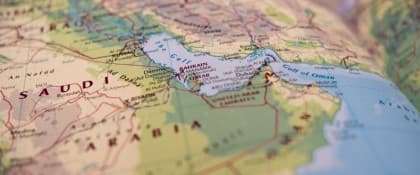
The Gulf of Oman, a strategic waterway connecting the Arabian Sea to the Strait of Hormuz, has long been a flashpoint for geopolitical tensions. The IRGC’s seizure of the tanker is the latest in a series of actions that demonstrate Iran’s ability to disrupt maritime traffic and global energy markets. The tanker, whose flag and ownership remain undisclosed, was reportedly targeted as part of Iran’s broader strategy to counter international sanctions and assert dominance in the region.
Iran’s use of its “dark fleet”—a network of shadowy tankers often operating without transponders to evade detection—has been a key tool in circumventing sanctions and maintaining oil exports. The seizure of the foreign tanker, accused of fuel smuggling, may serve as both a warning to competitors in the illicit oil trade and a signal to global powers of Iran’s willingness to escalate tensions in critical maritime zones.
The seizure follows a period of heightened friction in the Middle East. Recent U.S. strikes on Iranian nuclear facilities have intensified the long-standing rivalry between Washington and Tehran, while Iran’s reported consideration of deploying naval mines in the Strait of Hormuz has raised alarm bells among energy traders and maritime operators. The strait, a narrow passage through which a fifth of the world’s oil passes, remains a linchpin of global energy security. Any disruption—whether through mine deployment, missile or drone attacks, fast-attack craft swarms, or vessel seizures—could send shockwaves through global markets.
This incident also echoes recent events in the Red Sea, where Houthi rebels, widely seen as Iranian proxies, have targeted commercial shipping, further destabilizing maritime routes in the region. Together, these actions highlight the vulnerability of key chokepoints like the Strait of Hormuz and the Bab el-Mandeb Strait, which are critical to global trade and energy flows.
Iran’s ability to disrupt maritime traffic relies on a diverse and sophisticated toolkit, blending asymmetric and conventional tactics. The IRGC’s naval forces are well-equipped to deploy naval mines, launch anti-ship missiles, and conduct drone strikes, all of which pose significant threats to tankers navigating the Strait of Hormuz. Additionally, Iran’s fast-attack craft—small, agile vessels capable of swarming larger ships—have been used to harass and intimidate commercial and military vessels in the region.
The seizure of the tanker in the Gulf of Oman is a reminder of Iran’s willingness to use direct action to assert its influence. By targeting vessels suspected of smuggling or violating sanctions, Iran not only disrupts illicit trade but also sends a message to adversaries that it retains significant leverage over global energy flows. Such actions also serve to rally domestic support by projecting strength in the face of international pressure.
For energy traders, the seizure is a stark reminder of the risks inherent in the Gulf’s maritime routes. The Strait of Hormuz remains a critical chokepoint, with approximately 21 million barrels of oil passing through it daily. Any sustained disruption could lead to supply shortages, price spikes, and broader economic fallout. The incident also underscores the importance of monitoring not only the Strait of Hormuz but also adjacent waterways like the Gulf of Oman and the Red Sea, where Iran and its proxies have demonstrated their ability to project power.
The use of “dark fleet” tankers further complicates the situation. These vessels, often operating under flags of convenience and with obscured ownership, enable Iran to bypass sanctions and maintain oil exports. However, they also contribute to the region’s volatility, as competing smuggling networks and international enforcement efforts create a fraught environment for maritime traffic.
As tensions between Iran, the United States, and Israel continue to simmer, the risk of further disruptions in the Gulf remains high. Energy traders, shipping companies, and policymakers must remain vigilant, closely monitoring developments in the region’s key maritime chokepoints. The IRGC’s seizure of the tanker is a clear signal that Iran is prepared to use its asymmetric capabilities to challenge its adversaries and protect its economic interests.
For now, the international community faces the challenge of balancing diplomatic efforts to de-escalate tensions with the need to ensure the security of global energy supplies. The Gulf of Oman and the Strait of Hormuz will remain critical theaters in this ongoing geopolitical chess game, with Iran’s actions serving as a reminder of the fragility of the world’s energy lifeline.
In conclusion, the seizure of the foreign oil tanker in the Gulf of Oman is more than an isolated incident—it is a calculated move by Iran to flex its muscles in a region vital to global energy security. As the situation evolves, stakeholders across the globe will be watching closely, aware that the next move could have far-reaching consequences for markets, trade, and stability in the Middle East.